Biology and Light Sensitivity
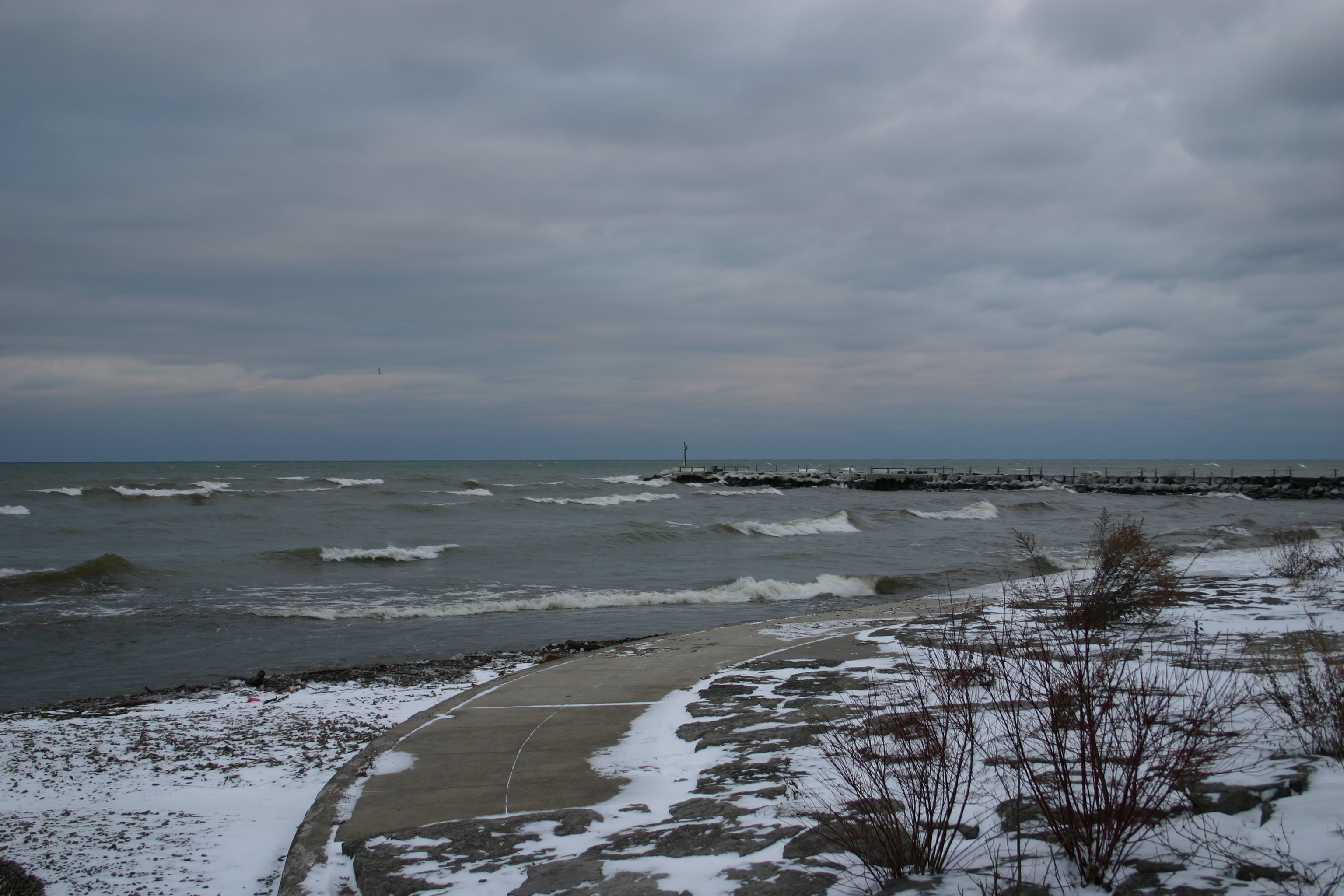
Walleye (Sander vitreus) have a reflective layer behind the retina called the tapetum lucidum, which concentrates available light. This adaptation gives them a marked advantage in low-light and turbid conditions, explaining why peak feeding consistently occurs at dawn, dusk, and on overcast days across Ontario's clearer lakes.
In high-clarity Shield lakes — common across the Muskoka, Haliburton, and Algonquin regions — walleye push deeper during midday to avoid bright surface light. In more turbid lake systems, such as those with glacial clay substrates in northern Ontario, walleye may remain shallower through more of the day.
Regulatory note: Walleye seasons, size limits, and possession limits vary by Ontario fishing management unit. Current regulations are published annually by the Ontario Ministry of Natural Resources and Forestry.
Seasonal Depth and Location Patterns
Spring — Post-Spawn Shallow Period
Walleye spawn in early to mid-spring when water temperatures reach roughly 4–10°C, typically on gravel or rocky shoals and river tributaries. In the weeks following the spawn, fish commonly hold in relatively shallow water — often 2–5 metres — along rock points, wind-exposed shorelines, and the tops of mid-lake reefs. Feeding activity can be aggressive during this window as walleye recover condition.
Summer — Thermocline and Structure Fishing
As surface temperatures climb through June and July, walleye move deeper to hold near the thermocline — the layer where water temperature drops sharply. In Ontario lakes with significant thermal stratification, this often places fish at 6–12 metres, sitting on or just above hard-bottom transitions: rock-to-sand edges, the base of main-lake points, and submerged humps. Locating these structural transitions with sonar is the most reliable method for finding summer fish.
Walleye feeding windows typically compress to 30–90 minutes around sunset and again just after dawn. During these windows, fish may briefly move shallower onto adjacent flats before retreating.
Fall — Aggressive Pre-Ice Feeding
Cooling water through September and October triggers one of the year's most productive feeding periods. As the thermocline collapses, walleye range more freely through the water column and can be found from 3 to 15 metres depending on forage location. Large shiners, perch, and cisco concentrate in similar depth zones, drawing walleye onto mid-lake structure and along weed edges before freeze-up.
Ice Season
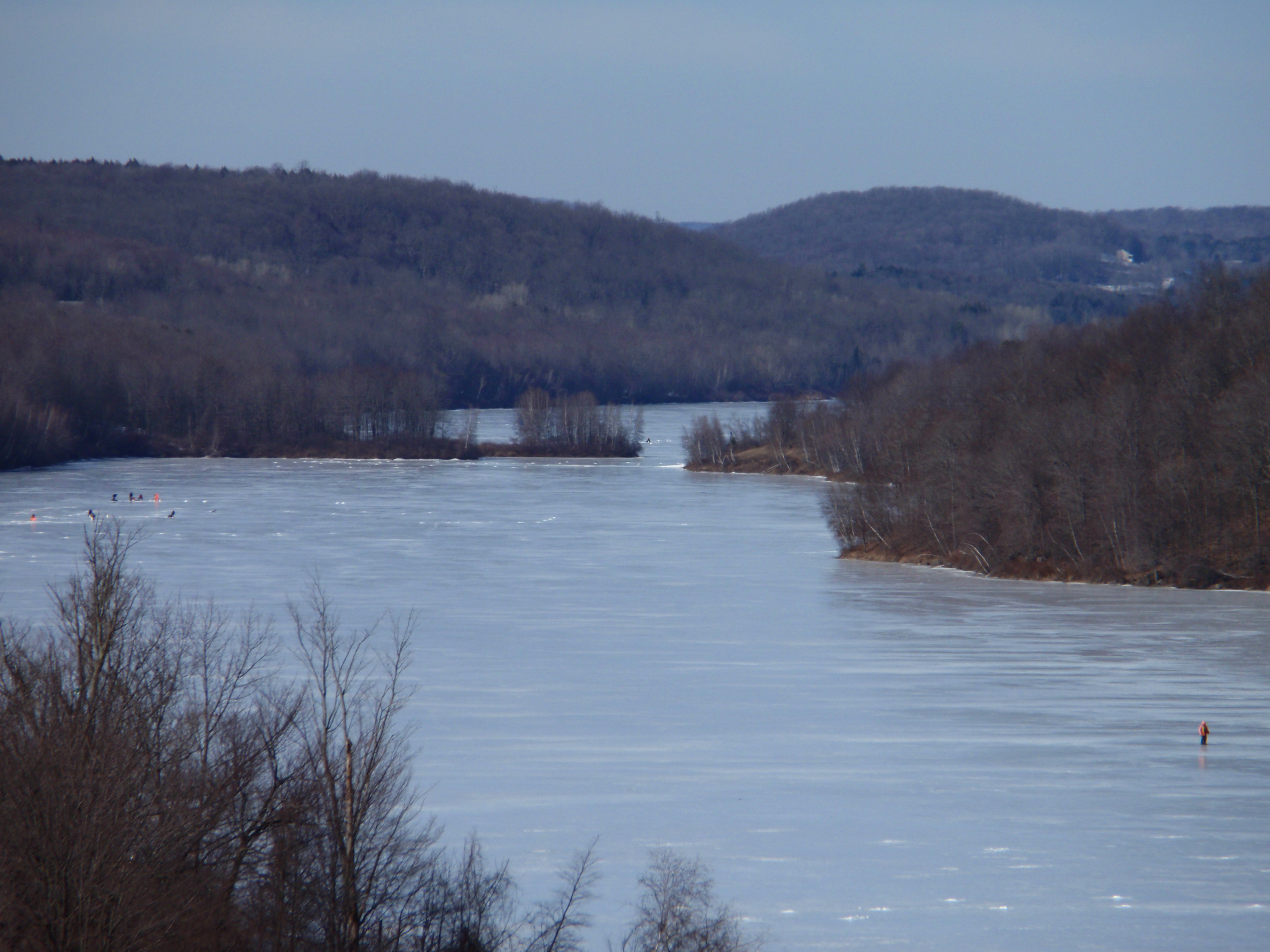
Ice fishing for walleye on Ontario lakes is productive from late December through February on most systems. Anglers target the same structural elements — points, humps, and depth transitions — but often find fish shallower on the ice than during open-water summer months. Mid-winter walleye commonly hold at 5–9 metres on Shield lakes with clear water.
Key Fishing Methods
Jigging
Vertical jigging with lead-head jigs tipped with soft plastic or live bait (minnow or leech) is among the most versatile walleye methods across Ontario. Effective jig weights depend on depth and current: 3.5–7g heads cover most conditions at 4–8 metres; heavier heads (10–14g) are used in deeper main-lake applications or when wind drift is a factor.
The standard retrieve involves lifting the rod tip 15–30 cm and allowing the jig to fall on a semi-slack line. Most strikes occur on the drop. A slow, subtle action frequently outperforms aggressive hops, particularly during cold-front conditions.
Live-Bait Rigging (Lindy-Style)
A slip-sinker rig (sometimes called a Lindy rig in Ontario) uses a sliding weight above a swivel and a 60–90 cm leader to a single hook baited with a live minnow, leech, or night crawler. The rig is pulled slowly along bottom contours, allowing the sinker to tick structure while the bait drifts naturally above. This presentation is especially productive on walleye holding tight to bottom in post-cold-front conditions when jig strikes decline.
Trolling with Crankbaits
Trolling allows anglers to cover main-lake structure efficiently, particularly during summer when fish are suspended near the thermocline. Shallow- and medium-diving crankbaits in perch, gold, and natural forage colours are standard. Trolling speed of 1.5–2.5 km/h with planer boards to spread lines away from the boat's shadow is a common approach on larger Ontario lakes such as Lake Simcoe and Lake Nipissing.
Reading Lake Structure for Walleye
Ontario walleye lakes range from shallow, weedy shield-edge systems to deep, oligotrophic lakes on the Precambrian core. Regardless of lake type, walleye use several consistent structural elements:
- Rock points extending into deeper water — fish hold on the point tip and along both the deep and shallow edges.
- Mid-lake humps or reefs — particularly productive during low-light periods when walleye move up to feed.
- Sand-to-rock transitions — a common depth break where perch and minnows concentrate.
- River inflows and outflows — walleye stage in current seams adjacent to these areas in spring and fall.
- Weed edges — more relevant in southern Ontario's eutrophic lakes; walleye use the deep weed line as a low-light ambush zone.