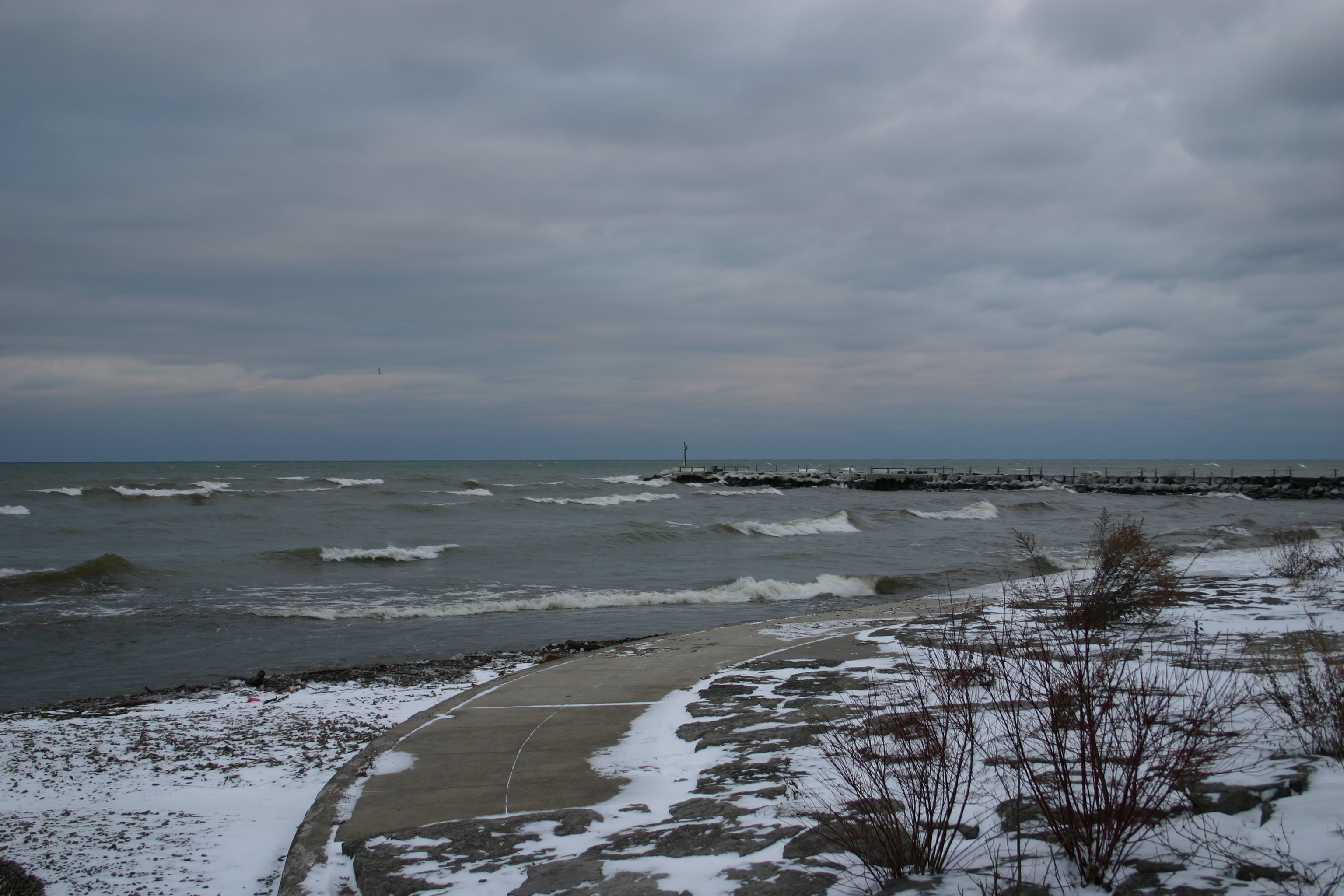
Geology and Water Chemistry
Shield lakes sit on exposed Precambrian bedrock that is largely resistant to chemical weathering. As a result, water draining into these lakes carries very little dissolved mineral content — calcium, magnesium, and alkalinity levels are often low compared to lakes overlying sedimentary limestone or agricultural soils. This produces characteristically clear, soft water with low buffering capacity.
Low buffering capacity makes Shield lakes more vulnerable to acidification from atmospheric deposition (acid rain), a documented issue across much of Ontario and Quebec through the latter decades of the twentieth century. Reductions in sulphur dioxide emissions following regulatory action in Canada and the United States have allowed some affected lakes to partially recover, though the process is slow where bedrock provides minimal natural acid-neutralising capacity.
Research reference: Long-term monitoring of Shield lake chemistry is conducted through the Canadian Acid Rain Monitoring Network and the Experimental Lakes Area in northwestern Ontario, operated jointly by federal and provincial agencies.
Trophic Classification
Most Canadian Shield lakes are classified as oligotrophic — low in dissolved nutrients, particularly phosphorus and nitrogen, which limits primary productivity (algal and aquatic plant growth). This means the water is clear, oxygen levels are high through the water column, and the base of the food web (phytoplankton, zooplankton) is relatively sparse compared to more productive eutrophic systems.
Lower food-web productivity translates to slower fish growth rates. Walleye, lake trout, and northern pike in oligotrophic Shield lakes often grow more slowly than the same species in nutrient-rich southern lake systems, but individual fish can reach older ages because the cold, oxygenated water extends productive lifespan.
Mesotrophic and Eutrophic Shield-Edge Lakes
At the southern margin of the Shield — particularly in the Great Lakes–St. Lawrence Lowlands transitional zone — lakes with glacial clay-till substrates or within agricultural catchments receive higher nutrient loads. These mesotrophic and eutrophic systems support denser aquatic vegetation, higher phytoplankton densities, and higher fish biomass per hectare, but often with reduced water clarity and lower dissolved oxygen at depth during summer stratification.
Thermal Stratification
Temperature-driven density differences cause most Canadian lakes to stratify thermally during summer. Three distinct layers form:
- Epilimnion — the warm, well-mixed surface layer, often 10–20°C from June through August.
- Thermocline (metalimnion) — the zone of rapid temperature change, typically a drop of more than 1°C per metre of depth. Its location shifts with weather and wind mixing.
- Hypolimnion — cold bottom water, often 4–8°C in deep Shield lakes, which remains undisturbed through summer and may become oxygen-depleted in productive lakes where decomposing organic matter consumes dissolved oxygen.
Thermal stratification has direct consequences for fish distribution. Lake trout, which require cold oxygenated water, are confined to the hypolimnion during summer in stratified lakes. In lakes where the hypolimnion loses oxygen, lake trout face thermal squeeze — cold water with insufficient oxygen below, warm water above — which can create physiological stress during prolonged hot summers.

Food Web Structure in Shield Lakes
The food web in a typical oligotrophic Shield lake moves from dissolved nutrients through phytoplankton and zooplankton (particularly cladocerans and copepods), up through planktivorous fish such as cisco (Coregonus artedi) and young-of-year perch, to apex predators including walleye, lake trout, and northern pike.
Cisco are a particularly important forage species in Shield lake systems. They occupy open-water mid-depth zones and their seasonal movements — ascending to the surface at night, descending to cold water during the day — concentrate predator fish above them. Lake trout and large walleye actively track cisco schools through summer and into fall, when cisco spawn in shallower areas.
Smallmouth Bass and Ecosystem Interactions
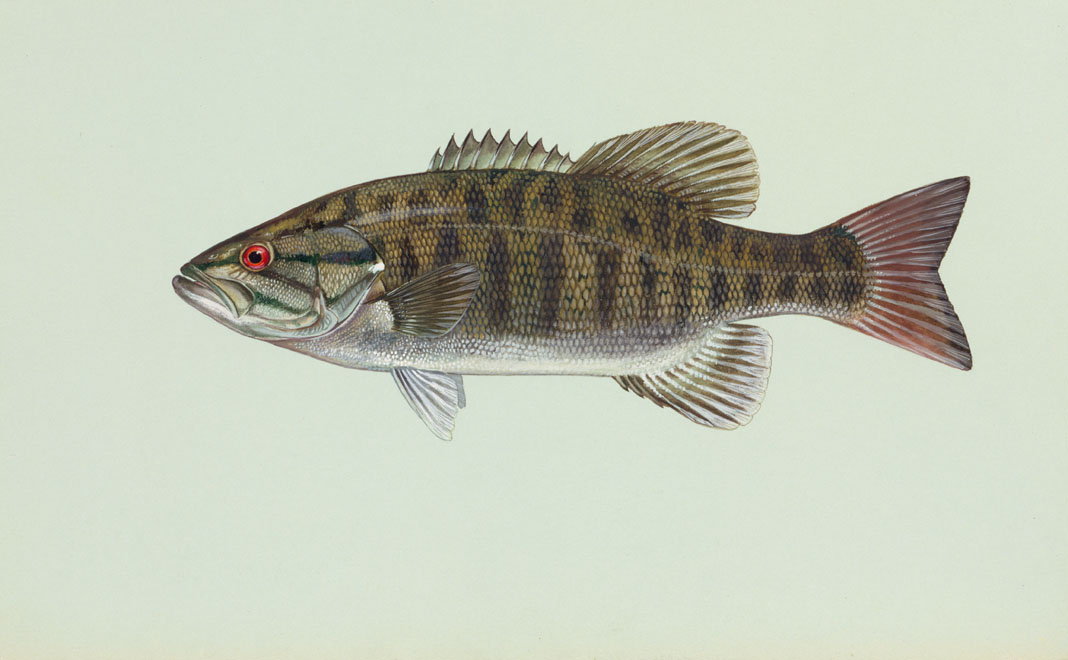
Smallmouth bass (Micropterus dolomieu) have extended their range northward across the Shield in recent decades, both through natural range expansion and through angler-mediated introductions. In lakes where bass have established, they compete directly with juvenile walleye and perch for invertebrate forage and with adult walleye for mid-depth structural habitat. Research at the Experimental Lakes Area in Ontario has documented suppression of native species in lakes where bass were introduced.
The Role of Dissolved Organic Carbon
Many Shield lakes have elevated dissolved organic carbon (DOC) concentrations from the decomposition of peat, forest litter, and organic soils in their catchments. DOC gives water a brown or amber tint — often called "tea-coloured" lakes — and has complex ecological effects. It absorbs ultraviolet light (offering some protection to aquatic organisms from UV), reduces water transparency, and supports a separate microbial food web pathway based on dissolved organic matter rather than photosynthesis.
DOC concentrations in Shield lakes have increased measurably since the 1980s across large regions of Canada, a trend linked to reduced acid deposition allowing greater terrestrial organic matter export, and potentially to changes in precipitation and snowmelt timing associated with warming temperatures.
Ice Cover and Seasonal Dynamics
Most Shield lakes north of roughly 46°N carry reliable ice cover from December or January through March or April. Ice formation and break-up timing have shifted measurably in long-term datasets — ice-off dates on many monitored Ontario and Quebec lakes are now earlier than historical averages, with effects on spring thermal stratification timing, cisco and walleye spawning windows, and the seasonal distribution of predatory fish.
The winter under-ice period is not ecologically dormant. Photosynthesis continues at low rates under clear ice; zooplankton remain active; and predatory fish including walleye, pike, and lake trout continue feeding, redistributing through the lake basin as oxygen profiles shift through winter.

